
Buika's Uppsala Debut: A Night of Musical Healing and Connection

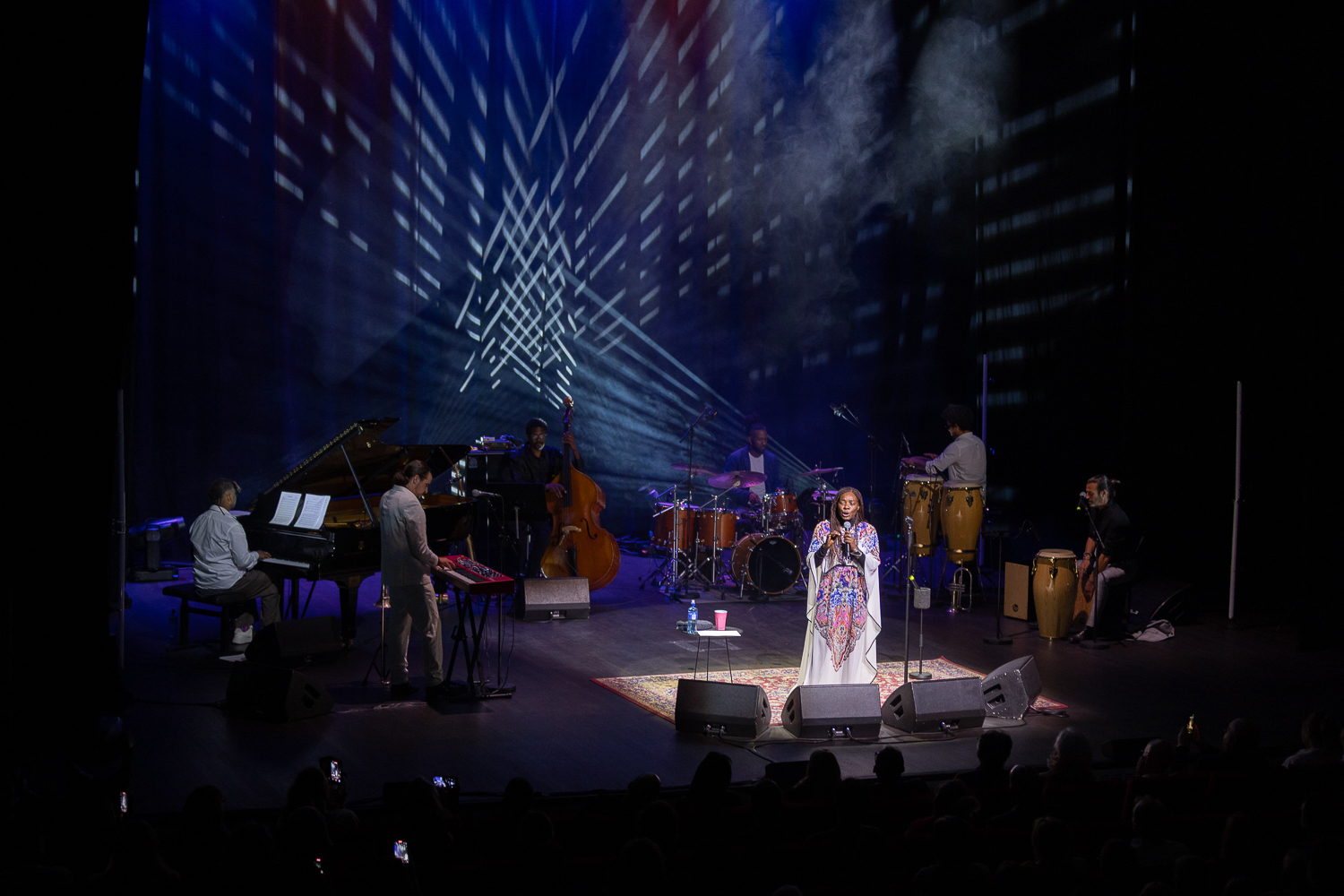
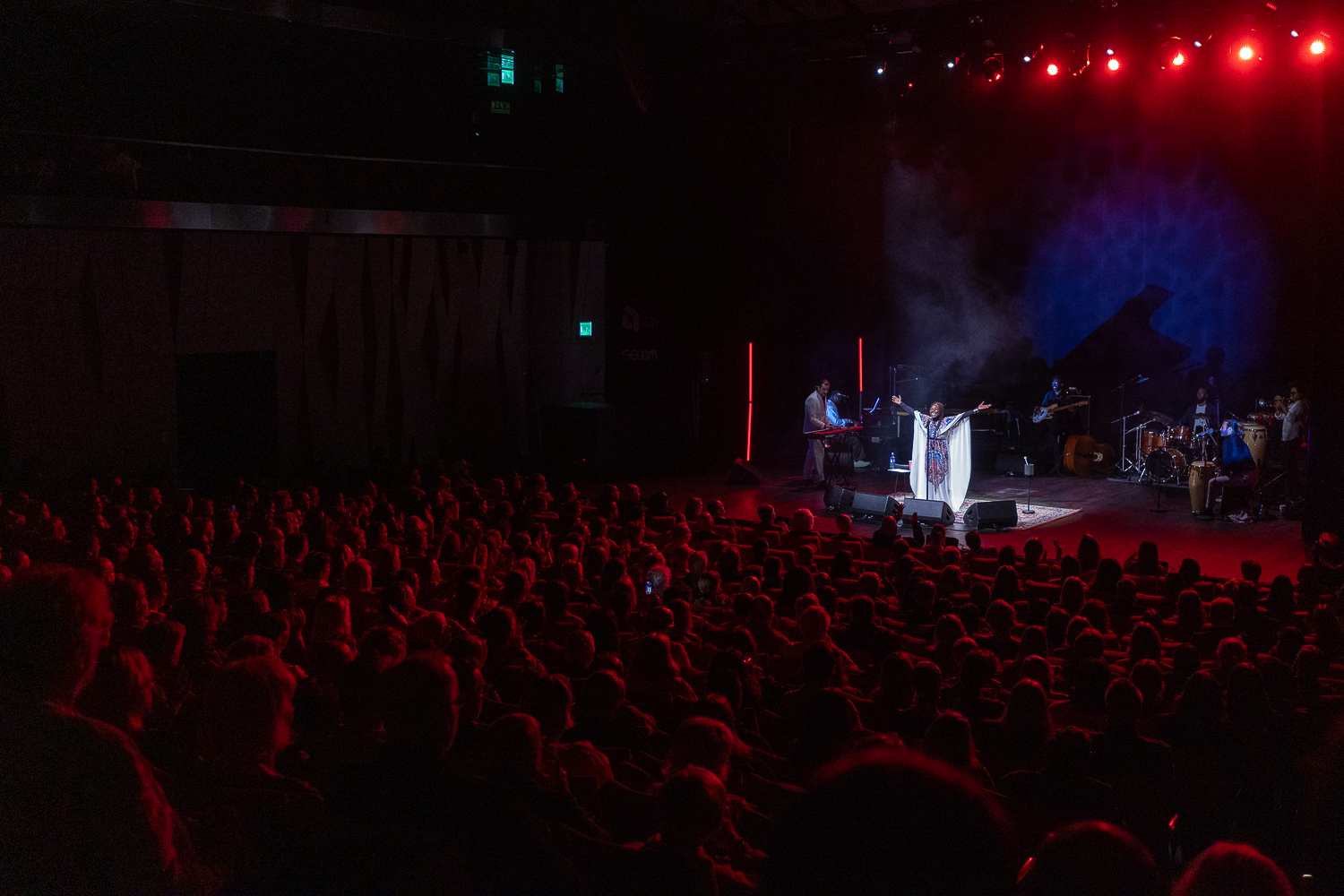
In what was a highly anticipated occasion, the acclaimed Spanish singer Buika marked her first-ever concert in Uppsala, a result of collaboration between Selam and Uppsala Konsert & Kongress. The evening began with a measured buildup as her accompanying musicians played, stretching out time before Buika finally appeared to enthusiastic applause. Despite this tentative start, it was only a matter of a few songs before Buika truly inhabited the space, inviting the audience into her vast and unique repertoire.
Buika's program traversed a rich landscape of styles, deftly merging elements from her Spanish roots—such as the passionate copla and flamenco traditions—with global influences of afropop, jazz, and pulsating Latin rhythms. This musical alchemy was more than a stylistic showcase; it served as a narrative backdrop for themes that threaded through both her songs and her spoken interludes. Her ability to blend genres paralleled the way she seamlessly wove personal vulnerability into universal stories, fostering a profound connection with her listeners.
Throughout the night, Buika’s candid reflections between songs turned the concert into something resembling a collective therapy session. She addressed the pain and sorrow experienced when relationships end or when one loses a job, pondering the existential burdens that people bear—"We die, we die and pay taxes. Should we just accept it? The endless suffering." Her answer was to embrace "Dolor de rumba," encouraging the crowd to celebrate life in the face of loss, to dance even when love slips away.
Personal anecdotes punctuated her performance, such as when she recounted her childhood rejection from a church choir at the age of nine. Branded as different and ushered out, young Buika was told perhaps her strengths lay elsewhere. This memory, once a source of self-doubt, has transformed into a rousing message: we should listen less to external criticism and more to our own inner voices. As she shared, passing her fiftieth birthday led her to a powerful realization—that her face, voice, and body are meant for those who appreciate them, not for those who judge.
The subject of fear and parental love also featured prominently. Buika described how she once felt fearless but began to understand the depths of anxiety after becoming a mother—a sentiment captured as she dedicated "Mi niña Lola" to all parents navigating these emotions. She mused on the transformative extremes of love itself, noting how someone once adored can suddenly feel like an adversary, as expressed in "No habrá nadie en el mundo." Her words offered laughter and recognition from the audience, dissolving boundaries between artist and spectator.
The regular set included audience requests, such as the classic copla "La falsa moneda," reinforcing a sense of reciprocal exchange. With each song and story, Buika’s energy only grew, filling the concert hall with an infectious vibrancy that peaked as the evening drew to a close. The reluctance of both artist and crowd to let the moment end became palpable—culminating in rapturous standing ovations and chants for encores. She obliged, concluding with the timeless "Quizás, quizás, quizás," ensuring the night ended on a note of both nostalgia and celebration.
Though precise details of setlist order and band line-up remain unconfirmed, and without official recordings or reviews to supplement firsthand testimony, one certainty remains clear: Buika’s first visit to Uppsala left an indelible mark. With promises from the artist that it would not be her last, the evening stands as a testament to the healing power of music and the communion that can arise between an artist and her audience.
Comments (0)
Leave a comment
By submitting a comment, you consent to our storing the information you provide, including your email address if you enter it, to display, moderate, and manage comments in accordance with our privacy policy.