
At The Gates – The Ghost of a Future Dead
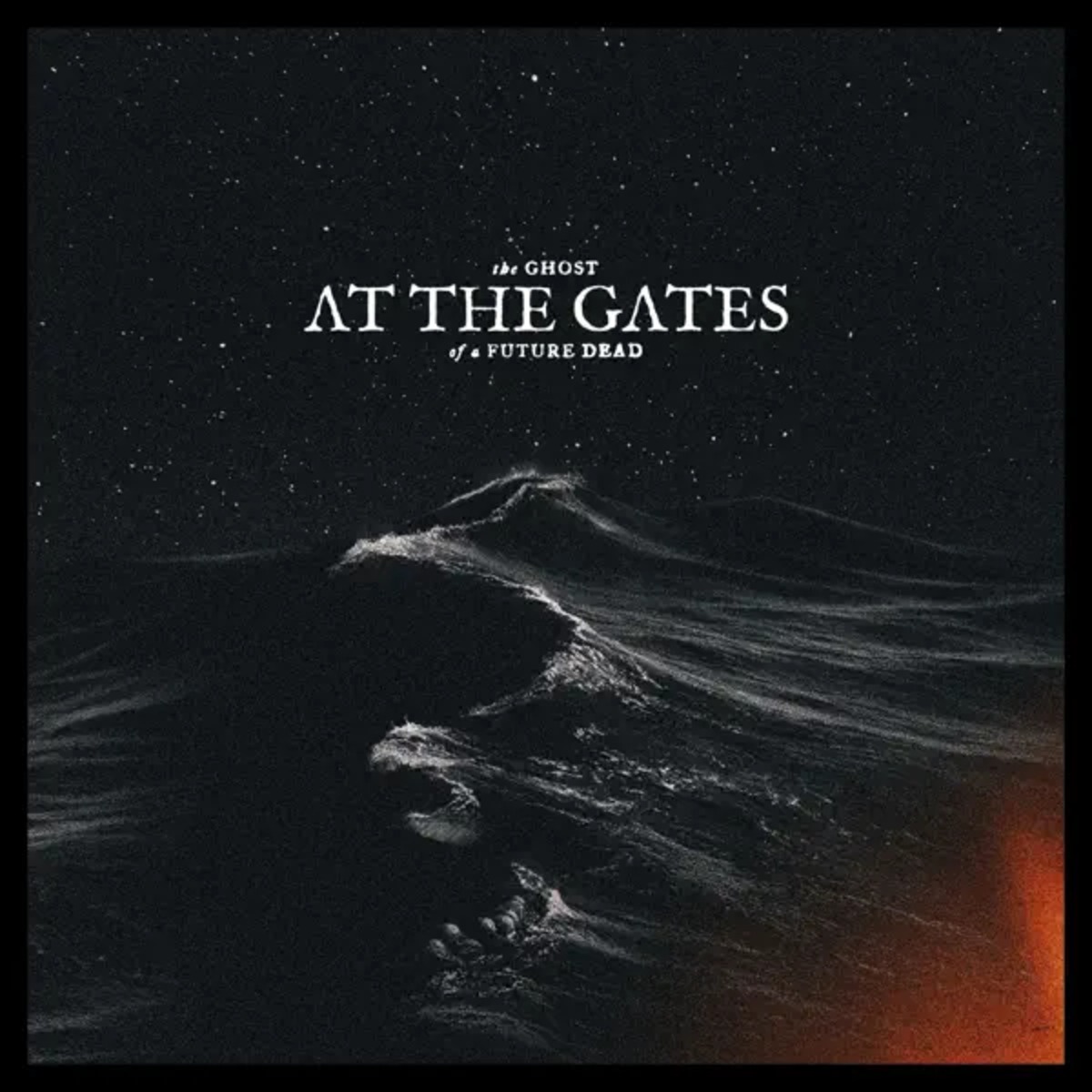
Experiencing "The Ghost of a Future Dead" inevitably carries the weight of knowing that Tomas “Tompa” Lindberg, the legendary frontman of At The Gates, is no longer with us. Released posthumously following his passing from cancer, this album transcends mere music—it becomes a poignant act of remembrance and a subtle, perhaps unintended, farewell.
From the moment the album begins, a sense of finality pervades the soundscape. Rather than making any explicit declarations of goodbye, the tone and composition evoke the feeling that the band has, consciously or unconsciously, crafted a work that encapsulates not only their storied legacy but also their personal processing of loss and transition. Here, every note and lyric brims with the gravity of life’s closing chapters.
At the core of the album stands Tomas Lindberg, his vocal delivery imbued with a new dimension—still fierce and commanding, yet heavier with the wisdom and pain of experience. This is more than typical aggression; it is a voice reckoning with fate, each scream and phrase resonant with the somber insights of a man confronting the inevitable. The result is a deeply personal performance, one that can easily be interpreted as an unfiltered letter to the world, to the genre he helped define, and to life itself.
Musically, At The Gates remains grounded in their hallmark melodic death metal, yet there is a renewed sense of dynamics and atmosphere. Classic Gothenburg-style riffs remain present but are given space to breathe; arrangements are more nuanced, tempos shift with greater frequency, and a pronounced vein of melancholy weaves throughout. The brutality is counterbalanced by reflective passages, replacing relentless assault with a measured blend of aggression and introspection.
The contributions from Anders Björler and the rest of the band strike a delicate balance between technical mastery and artistic courage. Rather than parroting their most iconic successes or attempting to recreate the past, they channel their collective maturity into crafting music that is older, darker, and more contemplative. The effort resists nostalgia, instead facing forward while addressing endings both personal and artistic.
Lyrically, the album explores themes of existential dread, time's relentless march, finality, and legacy. The title itself, "The Ghost of a Future Dead," serves as a stark motif—unflinching and honest in its examination of mortality and memory. The words move beyond mere provocation, becoming meditations born from the shadow of something irreversible and inescapable.
The production deserves praise for finding a modern, clear sound that preserves the primal energy and chaos synonymous with the band. Although sharpened by contemporary studio techniques, the record never sacrifices the rawness essential to its emotional intensity. Each instrument is clear and assertive without undermining the overall darkness or keeping the record from breathing with organic intensity.
That Tomas Lindberg did not live to witness the album’s reception only amplifies the grieving undertone of these songs. Yet, there is a haunting sense of appropriateness to this circumstance—as though Lindberg managed to articulate precisely what needed to be said before bowing out, offering a definitive final gesture to both his art form and his audience.
Ultimately, "The Ghost of a Future Dead" emerges as a heavy, emotionally overwhelming work. Whether or not it was purposefully intended as a concluding statement, it stands as a fitting and intensely personal conclusion for a band and a voice that have left an indelible mark on the history of extreme metal.
More album reviews
See all →Comments (0)
Leave a comment
By submitting a comment, you consent to our storing the information you provide, including your email address if you enter it, to display, moderate, and manage comments in accordance with our privacy policy.